The Dubai real estate market has entered a phase of structural maturity. While the rapid price surges of 2023 and 2024 have transitioned into a more measured growth cycle, the emirate remains a global leader for rental yields and capital preservation. For investors and buyers navigating the market in 2026, the strategy has shifted from speculative gains to selective, value-driven acquisitions.
Market Overview: The 2025 to 2026 Shift
The transition from 2025 to 2026 is defined by “market normalization.” According to data from the Dubai Land Department (DLD) and recent reports from Knight Frank, the market has moved away from the double-digit frenzies of previous years.
In Q1 2026, total sales reached approximately AED 176.7 billion, a 23.4% increase in value over the previous year, even as transaction volume growth slowed to 5.5%. This indicates that while fewer people are “flipping” properties, those who are buying are investing in higher-quality, more expensive assets. The market is now driven by end-users and long-term residents rather than short-term speculators.
Price Trends and Forecast 2026
Analysts at CBRE and JLL suggest that price appreciation is becoming highly segmented. While the overall market is expected to grow between 5% and 12% in 2026, Off Plan Properties In Dubai the performance varies significantly between property types.
- Villas: Forecasted to rise by roughly 17%. Supply remains structurally limited, and demand from wealthy expatriates for family homes continues to outpace new deliveries.
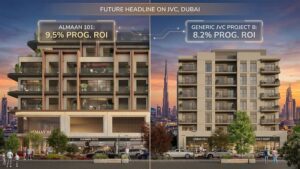
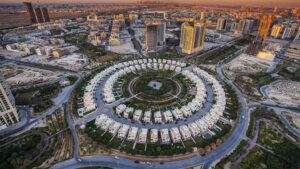
- Apartments: Expected to see more modest gains of 7% to 10%. A significant pipeline of new units in areas like Jumeirah Village Circle (JVC) is providing more options for buyers, which tempers aggressive price hikes.
2026 Price Comparison by Segment
| Property Type | Avg. Price per Sq. Ft. (AED) | Forecasted Annual Growth |
| Luxury Villas | 2,354+ | 15% – 18% |
| Prime Apartments | 2,100 | 8% – 10% |
| Mid-Market Units | 1,200 – 1,700 | 3% – 6% |
Rental Yield Insights
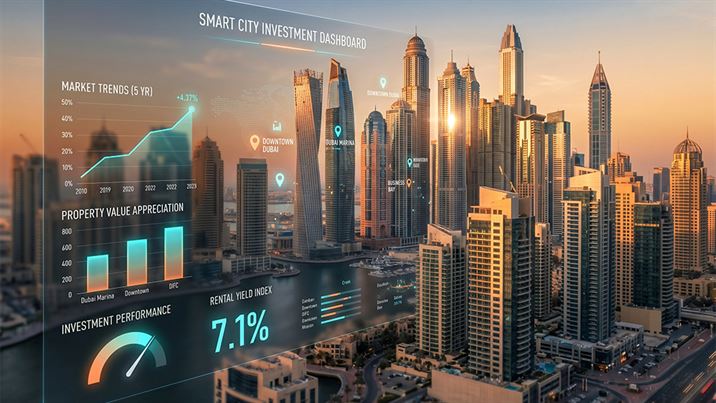
Dubai continues to offer some of the highest rental returns in the world. While capital appreciation has moderated, rental yields remain robust due to a growing population, which surpassed 4 million in 2025.
Q: What is the ROI in Dubai real estate in 2026?
A: Investors can expect gross rental yields between 6% and 9%. High-density areas like Dubai Silicon Oasis and International City often reach the upper end of this range, while luxury waterfront properties typically yield between 4% and 6% alongside higher capital appreciation.
Best Areas to Invest in Dubai 2026
Choosing the right location in 2026 requires balancing entry price with infrastructure development.
1. High-Yield Suburban Hubs
- Jumeirah Village Circle (JVC): Remains the top choice for mid-market investors due to its consistent demand from young professionals.
- Dubai South: Benefiting from the expansion of Al Maktoum International Airport, this area is seeing high capital growth potential.
2. Established Prime Districts
- Dubai Marina & Palm Jumeirah: These remain the “blue-chip” stocks of Dubai real estate. They offer high liquidity and are the primary targets for the short-term holiday home market.
- Business Bay: A mature hub that is increasingly popular for luxury branded residences.
3. Emerging Value Zones
- Arjan and Al Furjan: These areas offer lower entry points with modern infrastructure and are expected to outperform the city average as they reach completion.
Risks and Challenges
No investment is without risk. In 2026, the primary concerns involve interest rates and supply concentration.
- Financing Costs: While global interest rates have begun to stabilize, borrowing remains more expensive than in the 2020–2021 period. This affects the affordability of the mid-market segment.
- Supply Pressure: Certain districts like JVC and Dubai South have large delivery pipelines (over 50,000 units city-wide in 2026). This could lead to temporary stagnation in rental growth in those specific pockets.
- Off-plan Delays: With the volume of construction currently underway, some projects may face delivery slippage, impacting investors relying on immediate rental income.
Expert Predictions: The Rise of Mid-Income Housing
While luxury penthouses often dominate the headlines, market analysts predict that mid-income housing will be the standout performer of 2026. Apartment for sale in JVC As the city matures, there is a growing need for “affordable-premium” options. Projects that offer community amenities—schools, parks, and retail—within walking distance are expected to see the highest tenant retention rates.
Final Verdict: Is Dubai a Good Investment in 2026?
Yes. Dubai remains an attractive destination for capital due to its tax-free environment, high safety ratings, and strategic location. However, the “easy money” phase is over. Success in 2026 requires a focus on:
- Ready properties over off-plan if immediate cash flow is the goal.
- Villa communities for long-term capital appreciation.
- Proximity to the Metro (specifically the Blue Line expansion) to secure a rental premium.
FAQ’s
Is Dubai real estate a good investment in 2026?
Yes. With rental yields significantly higher than in London or New York and a stable economic outlook, it remains a preferred choice for income-focused investors.
Is Dubai property overpriced in 2026?
While prices are at record highs, they are supported by real demand and a rising population rather than debt-fueled speculation. Compared to other global cities on a price-per-square-foot basis, Dubai is still considered undervalued.
Can foreigners buy property in Dubai?
Yes, foreigners can own 100% of property in designated “freehold” areas, which include almost all major investment hubs like Downtown Dubai, Dubai Marina, and Palm Jumeirah.
Which areas give the highest rental yield?
Suburban communities such as International City, Dubai Silicon Oasis, and JVC typically offer the highest gross yields, often exceeding 8%.
What are the taxes on property in Dubai?
There is no personal income tax on rental income and no capital gains tax. Buyers must pay a one-time 4% DLD fee at the time of purchase.