Dubai real estate investment in 2026 is driven by strong population growth, infrastructure expansion, and sustained rental demand, making early investment more favorable than waiting for price increases.
Dubai’s property market has evolved far beyond the post-pandemic boom or speculative surges of recent years. In 2026, we’re seeing a structural shift toward maturity: real end-user demand, long-term residency programs, and global capital flows are shaping a more stable cycle. Population figures have crossed the 4-million mark (with over 200,000 added in the past year alone), economic diversification into tech, finance, logistics, and tourism keeps employment resilient, and infrastructure like expanded transport networks continues to unlock new corridors.
For investors weighing Dubai real estate investment 2026, the key question isn’t if the market is worth considering—it’s whether delaying could mean higher entry costs and missed rental income as the market stabilizes at elevated levels. This guide dives into the data, trends, risks, and strategic opportunities to help you decide.
Is 2026 the Right Time to Invest in Dubai Real Estate?
Yes. For medium- to long-term investors, 2026 offers a balanced entry point supported by rental demand, moderated price growth, and improving market stability.—especially if you enter before full price stabilization and increased competition from new supply.
Dubai’s market in early 2026 sits at a balanced inflection point. Demand remains robust, supported by ~4.03–4.1 million residents (up ~5% annually from inflows of professionals, entrepreneurs, and high-net-worth individuals). Long-term visa programs tied to property ownership have reduced volatility, encouraging more residents to settle long-term rather than treat the city as a temporary stop.
Unlike earlier speculative cycles, today’s growth is grounded in real occupancy. Forecasts from Knight Frank and others point to moderate price rises of 3–8% in 2026 (down from double-digit gains in 2024–2025), with prime segments holding firmer. Entering now captures immediate rental income and positions you ahead of potential yield compression as supply ramps up.
What Is Driving Dubai Property Demand in 2026?
Several structural forces underpin Dubai real estate trends in 2026, making demand more sustainable than in past booms.
Population Growth and Residency Stability
Dubai’s population has surged past 4 million, with daily arrivals averaging hundreds from skilled workers, remote professionals, and families. Golden visas and residency-linked ownership have stabilized the market—more people now rent or buy long-term, boosting absorption in family-oriented communities. This directly supports Dubai property ROI, especially in mid-market segments.
Economic Diversification Beyond Real Estate
The emirate’s economy is increasingly resilient, with non-oil sectors like technology/AI, financial services, logistics, and events driving job creation. This buffers against global slowdowns and sustains housing needs for professionals and their families.
Infrastructure and Master-Planned Communities
Major projects—enhanced metro links, smart city expansions, and integrated lifestyle developments—continue unlocking value. Planning favors community-focused builds over isolated towers, leading to better resale and rental performance. Investors benefit most from established real estate developers in UAE with strong track records in these master plans.
Global Investor Demand and Capital Safety
Zero property tax, no capital gains tax, and transparent foreign ownership laws keep Dubai attractive. Regulatory clarity and ease of transactions draw international buyers asking, “is Dubai real estate worth investing in?” — especially amid global uncertainty.
Why Choosing the Right Real Estate Developers in UAE Matters in 2026
In a stabilizing market like 2026, developer quality directly impacts returns. As supply increases, projects delivered by reputable real estate developers in UAE consistently outperform in both rental absorption and resale value.
Established property developers in UAE typically offer:
- Better construction timelines
- Higher build quality and amenities
- Stronger community planning
- Higher tenant retention
Investors should prioritize developers with:
- Proven delivery history
- Active master-planned communities
- Strong after-sales and property management support
In a maturing cycle, asset quality matters more than entry price. This is why properties by leading real estate developers tend to maintain liquidity even when broader market momentum slows.
What Happens If Investors Wait to Buy?
Historical patterns show that delaying during growth phases often means higher entry prices and lost rental cycles. In 2026, with moderating but positive momentum, waiting 12–24 months could compress potential returns.
Here’s a data-informed comparison:
| Factor | Buy in 2026 | Wait 12–24 Months |
| Entry price | Pre-stabilization pricing | Likely higher after gradual appreciation |
| Rental income | Immediate income from strong demand | Missed rental cycles |
| Inventory choice | Wider selection across projects | Limited options in high-demand areas |
| ROI potential | Strong medium-term upside | Compressed as the market matures |
| Risk exposure | Fundamentals-driven | Timing and supply absorption risk |
While short-term fluctuations occur, long-term outlooks favor early positioning—especially with population-driven demand absorbing much of the incoming supply.
Which Property Types Perform Best in 2026?
Smart alignment with demand beats chasing trends. Here’s how key types stack up:
Off-Plan Properties
These remain compelling for appreciation potential: lower entry prices, flexible payment plans (often 1–10% down), and capital gains during construction. In master-planned areas from reputable property developers in UAE, they offer strong upside—ideal if you’re patient. (For more, check our guide to off-plan projects in Dubai.)
Ready Apartments
Income-focused? Ready units deliver immediate rental cash flow, clear yield visibility, and lower execution risk. They shine in high-absorption zones with limited new supply nearby.
Branded Residences
Premium appeal draws international tenants for short/medium-term rentals. Higher entry costs are offset by demand stability, especially in volatile cycles.
Which Dubai Areas Offer the Highest ROI in 2026?
Location drives Dubai property ROI. Focus on fundamentals like connectivity, amenities, and absorption rates.
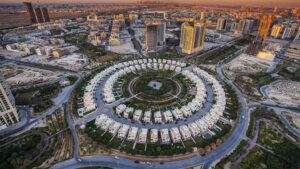
Jumeirah Village Circle (JVC)
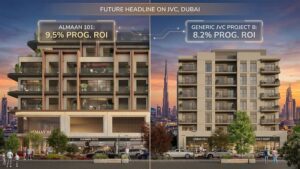
Affordable entry, strong rental demand from young professionals/families, and competitive pricing. High tenant turnover supports yields of 7–8%—a balanced pick for first-timers and seasoned investors. Ongoing parks and retail upgrades add appeal.
Dubai Hills Estate
Family-oriented masterplan with green spaces, retail, and schools. End-user demand drives stable resale and long-term appreciation. Yields around 5–7%, with premium positioning.
Downtown Dubai
Iconic premium hub with high liquidity and short-term rental potential (e.g., tourists/business travelers). Lower yields but excellent capital preservation and exit flexibility.
Other notables: Business Bay for central access, Dubai South for future infrastructure plays. (Explore our Dubai residential areas guide for more.)
Risks Investors Should Consider
No market is risk-free—balance is key.
Market Cycle Timing
Prices may stabilize or see pockets of pressure from ~100,000–120,000 unit deliveries (though 30–40% often delay). Focus on cash-flow sustainability over speculation.
Developer Quality
Unreliable builders raise delivery/quality risks. Prioritize established real estate developers with proven records.
Interest Rate Environment
Global shifts could impact financing, though Dubai’s low-leverage market cushions this.
The regulated environment (transparent laws, DLD oversight) mitigates systemic risks, but asset selection remains crucial.
Investor Takeaway
Investors focused on long-term growth and rental stability may find 2026 an optimal entry point before prices adjust further across high-demand communities.
Dubai’s 2026 market isn’t hype-driven—it’s built on demographics, planning, and global appeal. For those evaluating buying property in Dubai 2026, data support thoughtful early moves over waiting for perfect certainty.
Final Perspective
Dubai’s real estate market in 2026 is shaped by long-term demand fundamentals, urban planning, and global capital flows rather than speculative momentum. For investors assessing whether to invest in Dubai property in 2026, current data supports informed early positioning over waiting for perfect certainty.
FAQ’s
1. Is Dubai real estate a good investment in 2026?\
Yes. Population growth, strong rental demand, and a transparent ownership framework support long-term investment confidence.
2. Will Dubai property prices rise in 2026?
Prices are expected to increase gradually in high-demand areas rather than surge sharply.
3. Is it better to buy now or wait?
Buying earlier often captures rental income and appreciation that waiting investors may miss.
4. Which Dubai areas offer the best ROI in 2026?
JVC, Dubai Hills Estate, and select Downtown properties continue to deliver strong performance.
5. Is Dubai property investment risky?
All markets carry risk, but Dubai’s regulated real estate environment reduces systemic exposure.
6. What is the 2% rule for property?
It’s a yield benchmark where monthly rent equals 2% of property value—rare in mature markets but occasionally achievable in emerging locations.